
Body-Conscious Beauty: The Contouring Category Moves Beyond the Quick Fix
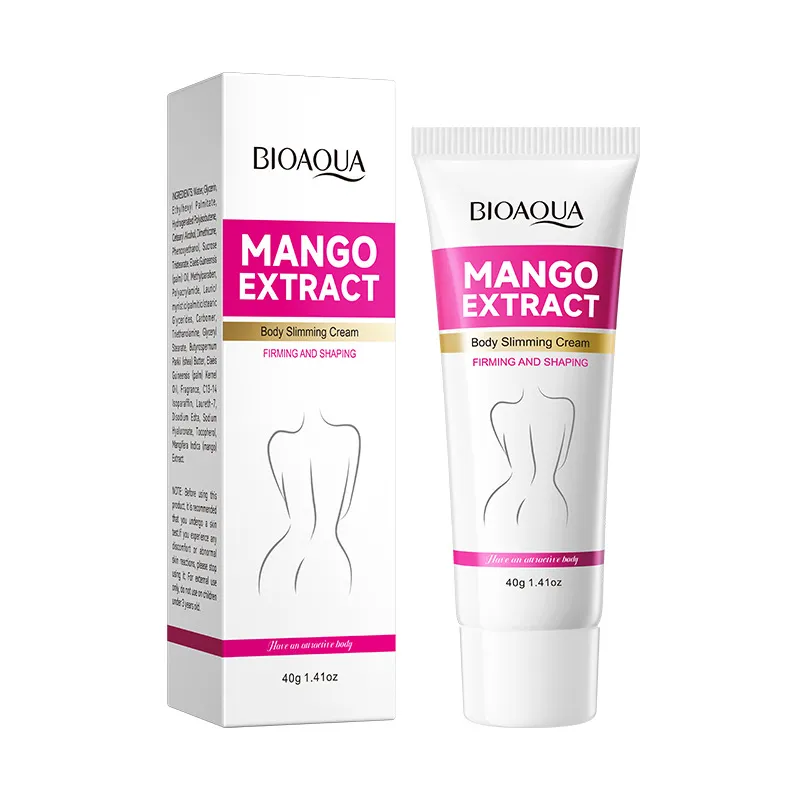
For years, the body contouring and slimming cream market lived in a space of bold promises and often disappointing results, viewed by many as a cosmetic afterthought. Today, a significant shift is underway. What was once a niche segment is being redefined by a convergence of holistic wellness, ingredient transparency, and a more realistic, ritualistic approach to body care. The trend is no longer about drastic, overnight transformation but about supporting the skin’s appearance and health as part of a broader, body-positive routine.
The Evidence: Data and Dermatology Point to a New Direction
Industry analysts suggest this change is driven by consumer behavior data. A recent report by the Global Wellness Institute highlighted a 22% year-over-year increase in searches for “supporting body firming” over “extreme body slimming.” The language reflects a pivot from a goal of reduction to one of enhancement and maintenance. Consumers are investing in products that complement active lifestyles and healthy diets, rather than replace them.
On the clinical side, dermatologists are noting a change in formulation priorities. “We’re seeing a move away from harsh, potentially irritating stimulants that dominated earlier generations of these products,” says Dr. Anya Sharma, a cosmetic dermatologist whose commentary often appears in trade publications. “The focus now is on improving microcirculation, supporting collagen, and enhancing skin’s elasticity and texture with gentler, often botanically-derived actives. The goal is a healthy-looking dermis, which naturally appears more toned.” Key ingredients gaining clinical attention include caffeine for temporary de-puffing, peptides for skin structure, and a variety of plant oils and butters for barrier integrity.
Not everyone agrees, though. Some experts argue that the fundamental efficacy of topical products for significant fat reduction remains limited, and that the trend risks repackaging old promises with new, trendy ingredients. They caution that realistic expectations are paramount, and that these creams should be viewed as skincare for the body, not medical treatments.
How SADOER’s Mango Cream Fits Into the Evolving Narrative
This is where products like the SADOER Mango Body Shaping Cream enter the conversation. Its positioning aligns with several aspects of the modern body-conscious beauty trend. First, it centers a specific, food-derived ingredient—mango seed butter—which taps into the consumer desire for recognizable, naturally-sourced components known for emollient and antioxidant properties. This moves the product away from a mysterious “slimming complex” and into the realm of identifiable body skincare.
The product’s stated aims of “tightening and slimming” speak to the dual desire of the contemporary user: improving skin firmness while supporting a contoured appearance. In the context of today’s market, this is less about standalone miracle work and more about providing a sensory, targeted step in a body care ritual. The cream’s texture and experience—its absorption, scent, and feel—become as important as its functional claims, encouraging consistent use as part of a daily or post-shower routine.
What This Means for Your Routine
The practical takeaway for consumers is a framework for evaluating and using body contouring products. The category is maturing. It’s advisable to approach these creams as you would a facial serum or moisturizer: as tools for skin health and improvement, not as magic solutions.
Look for formulas that prioritize skin benefits like hydration, elasticity, and smoothness. Ingredients that improve circulation or provide a temporary tightening sensation can offer a tangible, immediate effect that supports the longer-term goal. Consistency is critical; results are cumulative and linked to regular application, much like anti-aging creams for the face. Massage technique, often recommended with these products, also plays a role, promoting both product absorption and lymphatic drainage.
Ultimately, the rise of body-conscious beauty signifies a healthier, more integrated relationship with body care. It acknowledges that caring for the body’s largest organ is a worthwhile practice in itself, with perceived firming and contouring as welcome benefits of that care, rather than the sole objective. The market is responding not with less ambition, but with more sophistication, aligning the body contouring category with the same standards of ingredient interest and ritualistic pleasure that have long defined facial skincare.

