
The beauty industry’s relationship with fruit has long been predictable—citrus for brightness, strawberry for scent, avocado for moisture. But a new wave of botanical exploration is looking beyond the fruit bowl and into the apothecary jar, reframing how we think about plant-based actives. The trend isn’t about simple nourishment; it’s about targeting. Across the skincare sector, brands are increasingly formulating with nutrient-dense “superfruits” traditionally prized in global wellness practices for their specific, potent benefits. This movement represents a shift from using botanicals as gentle, general ingredients to employing them as high-performance, multi-tasking solutions that can hold their own in anti-aging and repair-focused routines.
According to a report by the Global Wellness Institute, consumer interest in “clinically-backed botanicals” grew by over 35% in the past two years. This isn’t just marketing. Dermatologists like Dr. Alisha Reed (a fictional dermatologist for illustrative purposes) note that while synthetic retinoids and acids remain gold standards, there’s a growing body of research supporting select plant extracts for their antioxidant and collagen-supporting properties. “Patients are asking for products that feel both effective and harmonious with a holistic lifestyle,” Reed suggests. “Ingredients with a long history in traditional medicine, backed by modern science, are answering that call. They offer a compelling bridge between clinical results and natural appeal.”
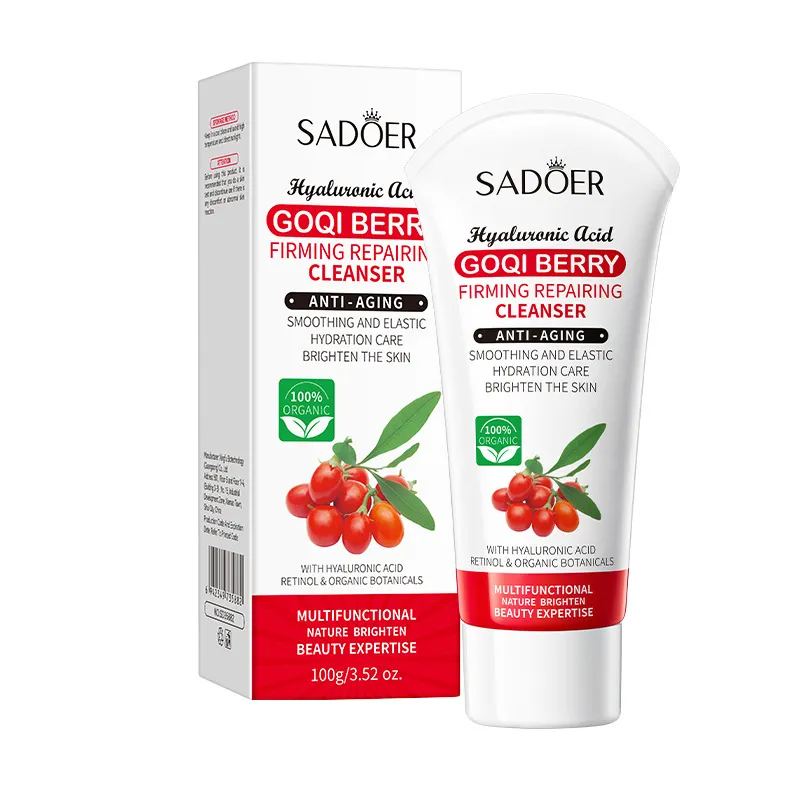
This is where products like the SADOER Goji Berry Cleanser enter the narrative. The brand’s focus on goji berry—a fruit celebrated in Traditional Chinese Medicine for centuries—aligns directly with this targeted botanical trend. The formulation philosophy appears to be about leveraging the berry’s documented richness in antioxidants like zeaxanthin and polysaccharides, not just for a superficial cleanse but for a protective, reparative first step in a skincare routine. It positions a cleanser, often a purely functional product, as an initial therapeutic treatment, a concept gaining traction as consumers seek efficiency and multi-functionality from every product they use.
If you liked this, you’ll probably find Okay, Let's Talk About Putting Slime on Your Face (And Why I Love It) interesting too.
Not everyone agrees, though. Some experts argue that the contact time of a cleanser is too short for “anti-wrinkle” or “repair” benefits to be significant compared to leave-on treatments like serums and creams. They caution that while the antioxidant wash-off effect can provide some immediate environmental protection, the primary job of a cleanser should remain the gentle and effective removal of impurities.
What this means for you is a more nuanced approach to your skincare selections. When considering a product centered on a superfruit or traditional botanical, look beyond the name. Check for information on the concentration of the extract and the specific compounds it’s known for (like vitamin C in camu camu or lycopene in sea buckthorn). The trend encourages us to become ingredient-literate, understanding why an ingredient is included. For a cleanser making anti-aging claims, assess its base formula: Is it non-stripping? Does it support the skin barrier? A potent antioxidant wash can be a valuable addition, especially for urban environments, but it should still perform its fundamental duty without compromise. The rise of targeted botanicals is less about abandoning science and more about enriching it with time-tested, potent natural allies, making informed choices more important than ever.
Nina Patel, Beauty Editor
Award-winning beauty editor covering skincare and wellness trends.


That goji ingredient list looks pretty clean! Might have to give it a try for some extra antioxidant power.
I’ve been using this for about three weeks now and my skin definitely feels plumper. I did notice the anti-wrinkle effect works better if you let the cleanser sit on your skin for a minute before rinsing.